


Views: 0 Author: Site Editor Publish Time: 2025-09-16 Origin: Site
When projects face delays due to poor component fit, costs can quickly escalate. At Fujian New Yinjia Pump Co., Ltd., we have seen how customizable parts transform outcomes by reducing rework and ensuring assemblies run at peak efficiency. From motor brackets to impellers and mechanical seals, choosing components designed to your exact specifications can mean the difference between constant troubleshooting and reliable performance.
An off-the-shelf part may look suitable, but even small dimensional mismatches can cause mounting challenges, added machining, or complete redesigns. Every hour of modification means lost productivity and higher labor costs. By contrast, customizable parts are designed around your existing equipment, ensuring a seamless fit. For manufacturers and operators, this not only saves time during assembly but also prevents costly downtime during future maintenance.
Beyond fit, customized design directly impacts performance. Pumps, motors, and related equipment rely on precision alignment to minimize vibration and energy losses. A motor bracket designed for the exact bolt circle and shaft height keeps assemblies aligned, while a properly balanced impeller improves hydraulic efficiency. The result is less wasted energy, smoother operation, and longer service life for the equipment.
Upfront savings on generic parts often disappear when frequent replacements, unplanned shutdowns, and excess energy usage are factored in. Customizable parts lower the total cost of ownership by ensuring durability and compatibility. With fewer breakdowns, reduced vibration, and extended service intervals, the investment pays off over the long term.
A motor bracket may seem like a simple piece of hardware, yet small variations in its design can dramatically influence equipment reliability. Customization allows for precise alignment with non-standard motor frames, optimized thickness for load-bearing capacity, and protective coatings for harsh environments. Every one of these factors contributes to stable operation and reduced wear.
The choice of material determines not just strength, but also weight, corrosion resistance, and cost. Cast iron offers excellent rigidity at a competitive price, making it ideal for heavy-duty stationary applications. Brass provides good machinability and corrosion resistance but at higher material cost. Stainless steel delivers both strength and high resistance to moisture or chemicals, making it the preferred choice for corrosive or outdoor environments. Selecting the right material means balancing long-term operating conditions against initial budget.
Custom motor brackets become essential when dealing with retrofits. Older equipment or imported machinery may not align with common industry mounting standards. Instead of redesigning the entire system, requesting a tailored bracket allows smooth integration. Similarly, for specialized motors with unique shaft heights or mounting geometries, a customized bracket eliminates compatibility issues.
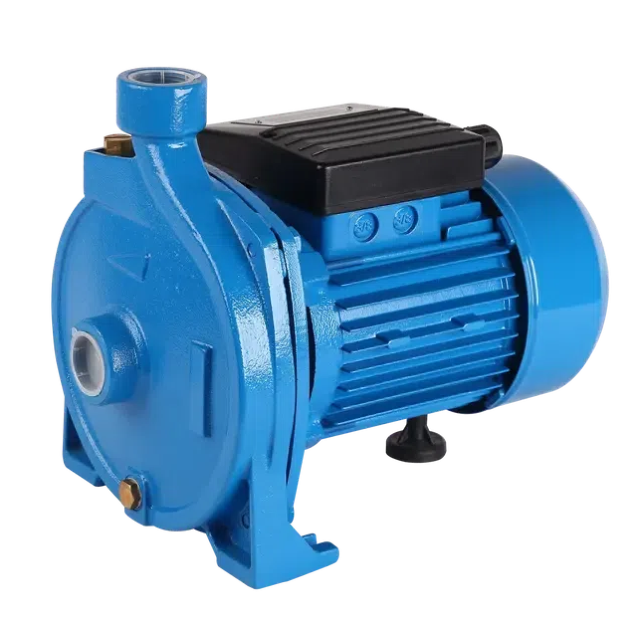
Impellers are at the heart of pump efficiency. Their geometry—blade angle, vane count, and curvature—determines how effectively energy is transferred from motor to fluid. A mismatched impeller may cause cavitation, inefficiency, or excessive vibration. Custom impeller design ensures hydraulic fit for the exact flow rate, head, and operating conditions required, maximizing efficiency and extending pump life.
Material selection directly influences durability and cost. Brass impellers provide a balance of strength and corrosion resistance, suitable for many water supply and irrigation applications. Stainless steel excels in aggressive fluids or industrial settings where chemical resistance is critical. PPO plastic, while lighter and more cost-effective, works well in residential or low-pressure applications. Choosing correctly prevents premature wear and ensures long-term performance.
Even the smallest imbalance in an impeller creates vibration that damages bearings, seals, and shafts over time. Custom impellers allow for precise balancing and tighter manufacturing tolerances. This reduces vibration, improves efficiency, and minimizes the risk of catastrophic failure. Over years of operation, the difference in longevity and reliability is substantial.
A mechanical seal’s job is to prevent leakage while withstanding friction, heat, and chemical exposure. Customizable seals allow you to choose face materials like ceramic for durability or graphite for excellent lubricity. Elastomer selection—such as NBR or other compounds—must match the operating fluid’s chemical properties. A proper compatibility checklist during customization prevents swelling, cracking, or early failure.
Standard seals may fail when exposed to unusual pressure or high temperatures. Custom mechanical seals can be engineered to handle specific system conditions, ensuring they maintain integrity under stress. In chemical handling applications, tailored material choices are vital to prevent corrosion and leakage. Matching seal design to the exact duty conditions avoids the risks of downtime and environmental hazards.
The most frequent causes of seal failure include thermal cracking, material incompatibility, and improper fit. By specifying custom dimensions, materials, and load-bearing designs, these risks are significantly reduced. For example, a seal with optimized spring tension and correct face hardness will better withstand thermal shock. Customization therefore turns a common point of failure into a reliable and durable assembly.
Effective communication with suppliers begins with accurate technical drawings. These should clearly show mounting dimensions, tolerances, and critical features. Acceptance test requirements—such as pressure testing or vibration limits—must also be specified upfront to ensure delivered parts meet expectations.
For new designs, requesting a prototype or sample run is crucial before full-scale production. This step validates fit and function in real conditions, preventing costly mass-production errors. Suppliers should also provide clear minimum order quantity (MOQ) guidelines, helping you plan procurement efficiently.
Quality assurance is essential for performance and compliance. Reliable suppliers should provide documentation including inspection reports, balancing certificates for impellers, and material certificates for motor brackets and seals. These documents ensure transparency and give confidence that each component meets industry standards.
Customizable parts give project managers and engineers control over cost, reliability, and performance. At Fujian New Yinjia Pump Co., Ltd., our experience shows that tailored solutions—from motor brackets to impellers and mechanical seals—minimize rework, extend equipment life, and reduce total operating costs. For projects where efficiency and durability matter, the right custom components make all the difference. Contact us today to discuss specifications or request a detailed quotation.


