


Views: 0 Author: Site Editor Publish Time: 2025-10-17 Origin: Site
Pumps play a crucial role in various industries, including water treatment, agriculture, construction, and manufacturing. In these industries, ensuring the efficient and uninterrupted flow of liquids or gases is essential. When it comes to the operation of pumps, one of the most important features to consider is the priming mechanism.
A self-priming pump is a type of pump designed to automatically remove air from the system, enabling it to start and operate without external assistance. Unlike traditional pumps that require manual priming or an external priming system, self-priming pumps can handle air removal and continue to operate efficiently, even when air enters the system.
In this article, we will explore the advantages of self-priming pumps, how they work, and why they are essential for many applications. By the end of this guide, you will understand why investing in a self-priming pump can be beneficial for your operations and help you choose the right pump for your specific needs.
Before diving into the advantages, it's important to first understand what a self-priming pump is and how it differs from traditional pumps.
A self-priming pump is a type of centrifugal pump designed to automatically remove air from the pump casing, suction line, and any other components of the system. This process allows the pump to begin operation without the need for external priming equipment or manual intervention.
In simple terms, a self-priming pump is capable of filling itself with liquid and eliminating air from the system. Once this process is complete, the pump can continue to operate normally, moving liquid or gas without the need for further priming.
Self-priming pumps are used in applications where the pump needs to handle air that may enter the system, such as in wastewater treatment, chemical pumping, and industrial processes. They are designed to handle intermittent or continuous air ingress and restore prime without external help.
Self-priming pumps work by creating a vacuum that evacuates air from the suction line and pump casing. The pump initially draws liquid into the casing while simultaneously expelling the air, creating a vacuum. Once the air is fully expelled, the pump continues to move the liquid through the system.
Here's a step-by-step breakdown of how a self-priming pump works:
Start-Up: When the pump is turned on, the liquid is drawn into the pump casing, which is initially filled with air.
Air Removal: As the liquid enters the casing, the pump begins to expel the air, creating a vacuum.
Prime Restoration: Once all air is removed, the pump starts circulating the liquid and continues its operation without the need for further intervention.
This automatic priming mechanism ensures that the pump can function continuously, even when air enters the system.
Self-priming pumps are highly valued for their ability to operate without external assistance. Below are the main advantages that make these pumps an essential component for many applications.
One of the primary advantages of a self-priming pump is that it eliminates the need for manual priming or the use of an external priming pump. Traditional pumps, especially centrifugal pumps, require manual intervention to remove air from the system before they can operate. This process can be time-consuming and labor-intensive.
Self-priming pumps, on the other hand, automatically remove air and begin operation as soon as they are turned on. This results in significant time savings and reduced operational complexity, allowing businesses to focus on other aspects of their operations rather than managing the priming process.
Self-priming pumps are more reliable and efficient compared to traditional pumps because they do not require continuous monitoring or maintenance for priming. Once the system is initially filled with liquid, the pump can continue to operate without external intervention, even if air or vapors enter the system.
This continuous operation reduces downtime and ensures that the pump can work in environments where air ingress is inevitable, such as in wastewater treatment, chemical processing, and industrial applications.
Self-priming pumps are specifically designed to handle air or gas that may be present in the suction line or pump casing. This feature makes them ideal for applications where the liquid is prone to entraining air or gas, such as pumping slurries, wastewater, or chemicals with volatile components.
Unlike traditional pumps, which may lose prime or become damaged when air enters the system, self-priming pumps can effectively manage these air pockets and restore the prime automatically. This helps maintain the performance and longevity of the pump, even in challenging operating conditions.
Another significant advantage of self-priming pumps is their versatility in various applications. These pumps can be used in a wide range of industries, including:
Wastewater Treatment: Self-priming pumps are commonly used in wastewater treatment plants to handle air and gas that are often present in the sewage system.
Chemical and Pharmaceutical Processing: Self-priming pumps are used to pump hazardous chemicals and other volatile liquids where air might enter the system.
Agriculture: These pumps can be used for irrigation and slurry handling, ensuring that air does not disrupt the fluid flow.
Construction: Self-priming pumps are used for dewatering in construction projects, where water levels can fluctuate and air may enter the pump.
This versatility makes them a valuable asset in both continuous and intermittent flow applications.
Self-priming pumps are designed for minimal maintenance, as they do not require external priming systems or manual intervention. This reduces the overall cost of maintaining the pump and minimizes downtime associated with pump failures or air-related issues.
With fewer moving parts and a simplified operation, self-priming pumps tend to last longer and operate more efficiently, reducing the frequency of repairs and lowering long-term maintenance costs.
While self-priming pumps may have a higher upfront cost compared to traditional pumps, they offer significant cost savings in the long term. The elimination of external priming systems and reduced maintenance costs result in lower overall operating expenses. Additionally, the increased reliability and efficiency of self-priming pumps mean less downtime and more continuous operation, leading to improved productivity and cost-effectiveness.
Many self-priming pumps are designed with compact dimensions, making them suitable for applications where space is limited. Whether in industrial plants, water treatment facilities, or construction sites, the space-saving design of self-priming pumps makes them easier to install and integrate into existing systems.
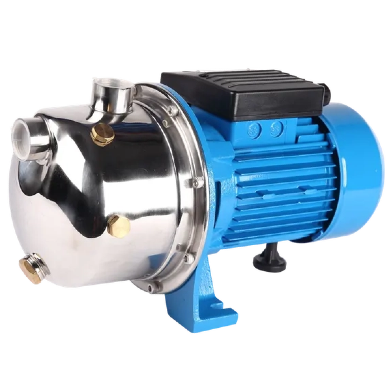
The ability to handle air and gas efficiently makes self-priming pumps ideal for several industries and applications, including:
Sewage and Wastewater Treatment: Self-priming pumps are commonly used to transport sewage and wastewater in treatment plants, where air can frequently enter the system due to fluctuations in water levels.
Mining: In mining operations, self-priming pumps are used to handle slurry or liquids that contain solid particles and air, ensuring efficient pumping in harsh conditions.
Chemical and Pharmaceutical: Self-priming pumps are ideal for handling volatile or hazardous liquids in chemical plants and pharmaceutical facilities, where air ingress is a common challenge.
Agriculture and Irrigation: In agricultural operations, these pumps are used for irrigation and for pumping slurries or fertilizers, which may contain air or other gases.
Fire Fighting Systems: Self-priming pumps are used in fire fighting systems to ensure that water can be pumped even when air or gas is present in the system.
Self-priming pumps offer significant advantages over traditional pumps by eliminating the need for manual priming, improving efficiency, and reducing maintenance costs. Their ability to handle air or gas in the system makes them indispensable in industries like wastewater treatment, mining, agriculture, and chemical processing. Whether you need a pump for continuous operation or to handle challenging liquids, a self-priming pump can provide the performance, reliability, and efficiency your business needs.
For businesses looking to invest in self-priming pumps, Fujian New Yinjia Pump Co., Ltd. offers high-quality pumps that are designed for long-lasting performance and efficient operation. With their commitment to innovation and customer satisfaction, they provide reliable solutions for industries worldwide.


