


Views: 0 Author: Site Editor Publish Time: 2025-10-17 Origin: Site
Pumps are an essential component in various industries, including water treatment, chemical processing, and agriculture. Two common types of pumps used in these applications are priming pumps and self-priming pumps. While both types serve the purpose of moving liquids or gases from one location to another, they operate differently and are suitable for different conditions.
In this article, we will explore the key differences between priming and self-priming pumps, their working mechanisms, applications, and benefits. By the end of this guide, you will have a clear understanding of how these pumps function and which type is best suited for your specific needs.
Before diving into the differences, it's important to understand the basic concepts of priming and self-priming.
A priming pump is a type of pump that requires manual or external assistance to remove air from the suction line and pump cavity before it can begin operation. Priming is the process of filling the pump and suction line with liquid to create a vacuum that allows the pump to function properly.
Priming is essential because pumps, particularly centrifugal pumps, cannot generate enough suction power to move liquid if there is air in the system. A priming pump ensures that the pump starts without any air bubbles, which would reduce efficiency and cause cavitation (a condition where the pump loses its ability to generate suction).
Priming pumps work by initially filling the pump casing with liquid before starting the main pump. After the priming pump has removed the air from the pump system, the primary pump can begin its function of moving liquid.
Priming pumps are usually connected to the main pump and are typically used for pumps that need to pump liquids from a source that is below the level of the pump, such as deep well applications.
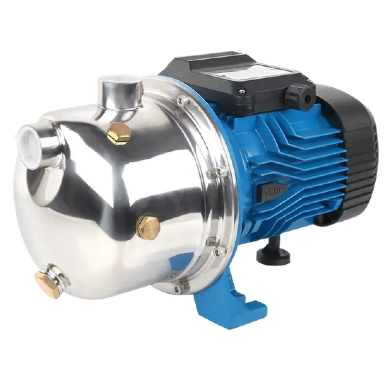
A self-priming pump is designed to automatically remove air from the suction line and pump cavity without the need for manual intervention. These pumps are capable of priming themselves after the initial filling of the pump system with liquid. They use a combination of centrifugal force and air separation to effectively prime the system, making them more efficient in applications where frequent priming is required.
Unlike priming pumps, self-priming pumps can handle the air that is present in the system, which means they do not need external pumps or manual priming to begin operation.
Self-priming pumps work by creating a vacuum to remove air from the system. When the pump starts, it initially draws liquid into the casing, while simultaneously pushing the air out of the system. Once the air is removed, the pump continues to operate as normal, moving the liquid from the source to the destination.
These pumps can self-prime repeatedly, which makes them ideal for situations where the pump might lose prime due to air entering the system or where the liquid source is lower than the pump level.
While both types of pumps aim to transport liquids, they are different in terms of functionality, applications, and performance. Below are the main differences between priming and self-priming pumps:
Priming Pump: A priming pump requires manual or external assistance to remove air from the system before it can start operating. This involves using a separate pump to fill the system with liquid, creating the necessary vacuum for the main pump to begin functioning.
Self-Priming Pump: A self-priming pump can automatically remove air from the system and begin operation without the need for external assistance. The pump can prime itself, making it more convenient and efficient for applications where constant or frequent priming is necessary.
Priming Pump: Because priming pumps require an external source to create the vacuum in the system, they generally take more time to start. The external pump must first remove the air from the suction line, which can delay the pump’s operation.
Self-Priming Pump: Self-priming pumps are quicker to start because they do not require external equipment for priming. As soon as the system is filled with liquid, the pump can begin operation and continue without delays, which is especially beneficial in continuous operations.
Priming Pump: Priming pumps require additional components, such as a priming tank or a separate pump to remove air. These added components can make the system more complex and potentially more expensive to install and maintain.
Self-Priming Pump: Self-priming pumps are relatively simpler to operate because they do not need external assistance to prime. The entire system is self-contained, and the pump automatically handles air removal, which reduces the need for extra equipment.
Priming Pump: The need for manual or external priming can reduce the overall efficiency of the system. Additionally, because priming pumps require extra time and equipment to remove air, they may not be as effective in environments where quick or continuous operation is needed.
Self-Priming Pump: Self-priming pumps tend to be more efficient because they can operate continuously without requiring manual intervention. These pumps can handle intermittent air ingress and restore prime without the need for a separate pump or additional systems, ensuring smooth and continuous operation.
Priming Pump: Priming pumps are ideal for applications where the pump needs to operate in deep wells, mines, or reservoirs where the liquid is located at a lower elevation. These pumps are used in situations where liquid must be drawn from a deep source or when the pump is located higher than the liquid source.
Self-Priming Pump: Self-priming pumps are commonly used in applications where air is frequently encountered in the system, such as in sewage and wastewater systems, chemical processing, and agricultural irrigation. They are also used in scenarios where the pump might lose its prime due to frequent interruptions or changes in the flow.
Priming Pump: Since a priming pump often requires additional components like a priming tank or external pump, the maintenance costs can be higher. Priming pumps also require regular monitoring to ensure that the external priming system is working properly.
Self-Priming Pump: Although self-priming pumps are simpler to operate, they still require regular maintenance, such as checking for leaks and ensuring that the air separation process is functioning correctly. They also tend to have lower operational costs due to the absence of external priming equipment.
The decision between choosing a priming pump or a self-priming pump largely depends on the specific needs of your system, the environment in which the pump will operate, and the type of fluid being moved. Here are some general guidelines:
You have a deep water source, such as a well or tank, where a vacuum is required to move the liquid.
You need a reliable, long-term solution for applications that involve large volumes of fluid.
You have the resources to install and maintain external priming equipment.
Your pump system needs to be able to handle air that might enter the suction line (such as in wastewater or chemical pumping applications).
You need faster startup times and more efficient, continuous operation.
You require a simpler, more compact pumping system that doesn’t require external priming pumps.
Both priming pumps and self-priming pumps have their advantages, depending on the application. Priming pumps are ideal for systems that require external assistance to remove air, while self-priming pumps offer greater efficiency and convenience by automatically handling air removal. The choice between these two types of pumps depends on factors such as system complexity, application requirements, and operational efficiency.
By understanding the fundamental differences between these two types of pumps, you can make an informed decision on which is best suited to your specific needs, ensuring that your pump system operates efficiently and effectively.


