


Views: 0 Author: Site Editor Publish Time: 2025-09-16 Origin: Site
Material choice decides whether a pump part lasts for months or performs reliably for decades. For engineers and buyers, the performance of customizable parts such as motor brackets, impellers, and mechanical seals depends directly on the materials used. At Fujian New Yinjia Pump Co., Ltd., we help customers match the right material to each application, reducing failure risks while maximizing efficiency and service life. This guide compares the most common material options across pump components and gives practical recommendations for selection.
For any component in a pump system, exposure to fluids and operating stresses defines long-term durability. Corrosion resistance ensures parts can withstand aggressive environments, from saline water to agricultural chemicals. Hardness is critical for resisting abrasion in high-solid fluids. Fatigue behavior, meanwhile, influences whether a part can sustain repeated stress cycles without cracking or deformation. These three factors are the foundation for deciding between metals, plastics, or composites in customizable parts.
While high-performance alloys may outperform other materials, procurement teams must also consider cost efficiency. Cast iron is affordable and easy to machine, but it may lack corrosion protection. Stainless steel requires more precision manufacturing yet delivers long-term reliability in demanding conditions. Plastics like PPO can shorten lead times thanks to molding flexibility, reducing overall project costs for large-volume orders. Balancing material price with performance and supply chain reliability is essential for timely, cost-effective project delivery.
Applications in food processing, drinking water systems, or sensitive industrial processes require certified materials. Stainless steel grades often comply with hygiene standards, while certain elastomers for seals are approved for potable water use. Choosing the wrong material can lead to regulatory issues, product recalls, or loss of certification. At YINJIA, we provide material solutions designed to meet global compliance standards, ensuring safety and peace of mind for procurement teams.
Cast iron brackets are widely used in standard household and agricultural pumps thanks to their strength and affordability. Brass is often applied where conductivity or decorative value is important. Stainless steel is preferred in corrosive or high-hygiene settings, such as coastal installations or food-grade systems.
Cast iron offers robustness but is heavy and less corrosion-resistant. Brass provides excellent machinability and aesthetic appeal but is softer and more costly. Stainless steel delivers a strong balance of tensile strength, corrosion resistance, and durability, though machining costs are higher. For customizable parts like motor brackets, the decision often depends on whether weight reduction, corrosion resistance, or cost savings is the top priority.
Protective coatings such as epoxy paints, galvanizing, or powder coatings can extend the life of cast iron brackets. Stainless steel often requires no coating, but surface polishing may improve hygiene in food and water applications. Brass can also benefit from anti-tarnish finishes. Selecting the right surface treatment can significantly increase bracket life while aligning with specific project requirements.
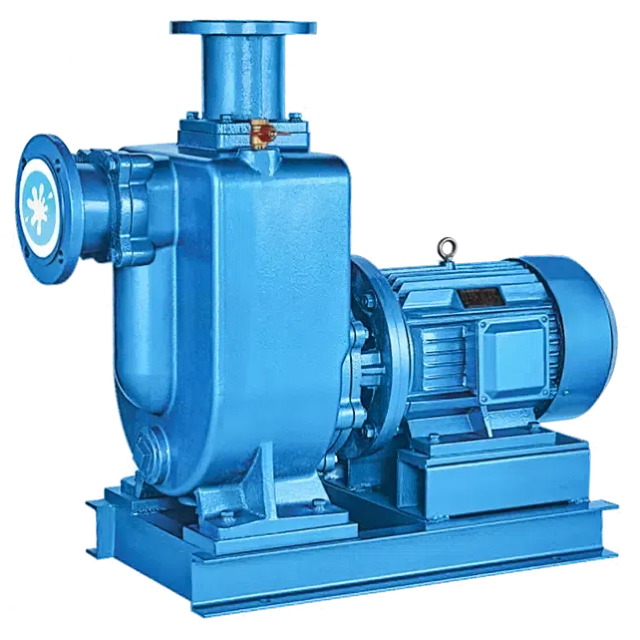
Impellers play a direct role in pump efficiency. Brass impellers are known for excellent hydraulic performance and long wear life. Stainless steel impellers withstand abrasive fluids and high pressures, maintaining efficiency even in harsh environments. PPO plastic impellers offer good resistance to many chemicals and are lightweight, but they may wear faster under abrasive conditions.
Metal impellers are recommended for high-load conditions, abrasive fluids, or applications requiring longevity. Engineering plastics like PPO are suitable where chemical compatibility, weight savings, or cost optimization are priorities. For example, agricultural pumps handling fertilizers may require stainless steel, while domestic water systems may perform well with PPO plastic impellers.
Brass impellers are often seen in household booster pumps where smooth hydraulic flow matters. Stainless steel impellers are common in industrial centrifugal pumps operating under high stress. PPO impellers appear in garden irrigation systems where affordability and chemical resistance are beneficial. For buyers, reliability is signaled not only by material selection but also by precision manufacturing — an area where YINJIA’s CNC capabilities ensure consistent quality.
Mechanical seals often combine ceramic and graphite faces for optimal wear balance. Ceramic provides hardness and wear resistance, while graphite delivers lubrication and smooth running. NBR rubber is a common elastomer for secondary sealing, providing flexibility and fluid compatibility. Correct pairing prevents leakage and extends operating life.
Ceramic can handle high temperatures and abrasive fluids but may be brittle under thermal shock. Graphite excels in lubrication but can be limited in certain corrosive environments. NBR rubber works well in water and light oils but is unsuitable for strong solvents or very high heat. The right choice depends on fluid chemistry, temperature range, and pressure conditions.
Mechanical seals are wear parts and need periodic replacement. Materials with higher resistance reduce downtime and maintenance costs. Ceramic and graphite pairs typically last longer in harsh service, while NBR rubber provides cost-effective sealing in less demanding applications. Selecting the proper seal materials ensures that pump systems run reliably with minimal interruptions.
Before committing to full production, lab testing can confirm chemical compatibility, wear resistance, and fatigue behavior. Field trials then validate real-world performance. YINJIA supports clients in conducting both, ensuring that selected materials align with operational realities.
Pilot production runs allow procurement teams to verify not only the material but also machining quality, tolerances, and assembly fit. Clear acceptance criteria—such as performance hours, leakage rates, or corrosion tolerance—make material validation more reliable.
Maintaining detailed documentation of chosen materials helps standardize future orders, reduces approval delays, and ensures compliance with industry standards. YINJIA assists customers with material documentation, offering transparency for smooth procurement and long-term supplier relationships.
The right material choice transforms customizable parts from short-lived components into long-lasting, high-value assets. Motor brackets, impellers, and mechanical seals all require tailored decisions depending on application, cost, and compliance needs. At Fujian New Yinjia Pump Co., Ltd., our expertise ensures every customer gets the best-fit solution, backed by advanced manufacturing and strict quality control. When planning your next order of customizable parts, use a clear decision matrix to guide material selection and avoid costly failures. For technical consultation or tailored product recommendations, please contact us today.


